

Understanding Probate Disputes: When to Hire a Litigation Specialist
Welcome to the wild world of probate disputes, where family dynamics can turn into courtroom dramas faster than you can say “Will contest attorney.” If you’ve recently lost a loved one and are navigating the murky waters of their estate, you may find yourself facing unexpected challenges. From contested wills to executor disputes, the probate process can feel like an episode of your favorite legal thriller minus the popcorn.
But fear not! This is where a probate attorney in El Paso swoops in like a legal superhero. These specialized lawyers are your allies in resolving estate conflicts and ensuring that your loved one’s wishes are honored. They understand the ins and outs of probate law and can help you navigate everything from inheritance disputes to complex estate litigation.
In this post, we will unpack what probate litigation is all about, explore the different types of disputes that can arise, and discuss when it’s time to call in a seasoned estate litigation attorney. So grab your gavel (or just a comfy chair), and let’s dive into this essential guide for anyone dealing with the tumultuous waters of probate!
What is Probate Litigation?
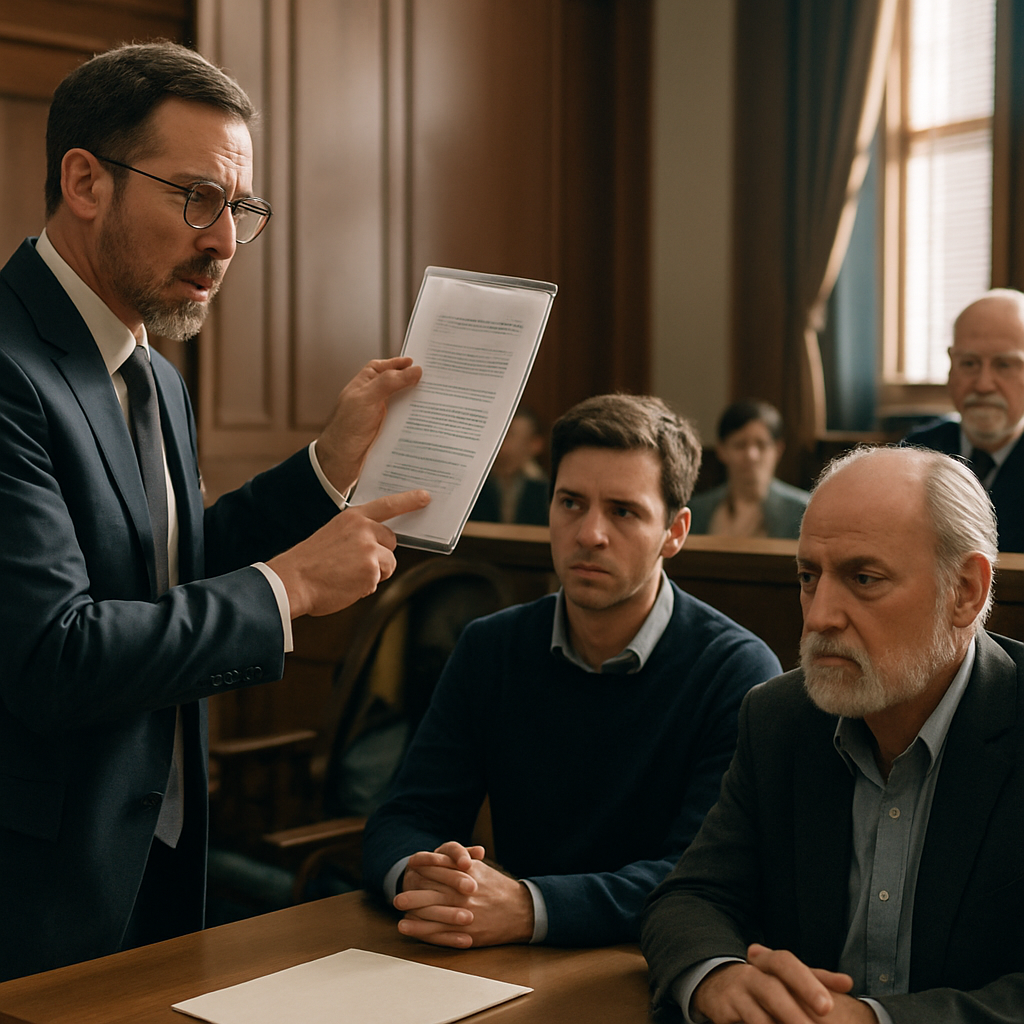
Probate litigation is like the dramatic courtroom scenes you see in movies, where family members battle it out over a deceased loved one’s estate. But in reality, it’s often less about theatrics and more about legal intricacies. Essentially, probate litigation refers to disputes that arise during the probate process the legal procedure for handling a deceased person’s assets and debts.
When someone passes away, their estate must go through probate court to ensure everything is distributed according to their wishes (or state law if there’s no will). However, this process can lead to conflicts that require the expertise of a probate litigation attorney.
Common Causes of Probate Disputes
So what sparks these disputes? Here are some of the most common culprits:
- Will Contests: Family members might believe the will is invalid due to lack of capacity or undue influence.
- Executor Disputes: Conflicts can arise between executors and beneficiaries regarding asset management and distribution.
- Trust Contests: Similar to wills, trusts can also be challenged on grounds of validity or interpretation.
- Inheritance Disputes: Beneficiaries may disagree on what they believe they are entitled to receive from the estate.
- Breach of Fiduciary Duty: If an executor or trustee fails in their responsibilities, it can lead to serious legal battles.
Key Takeaway: Engaging a knowledgeable probate lawyer early on can help navigate these disputes efficiently and protect your rights throughout the probate process.
Types of Probate Disputes
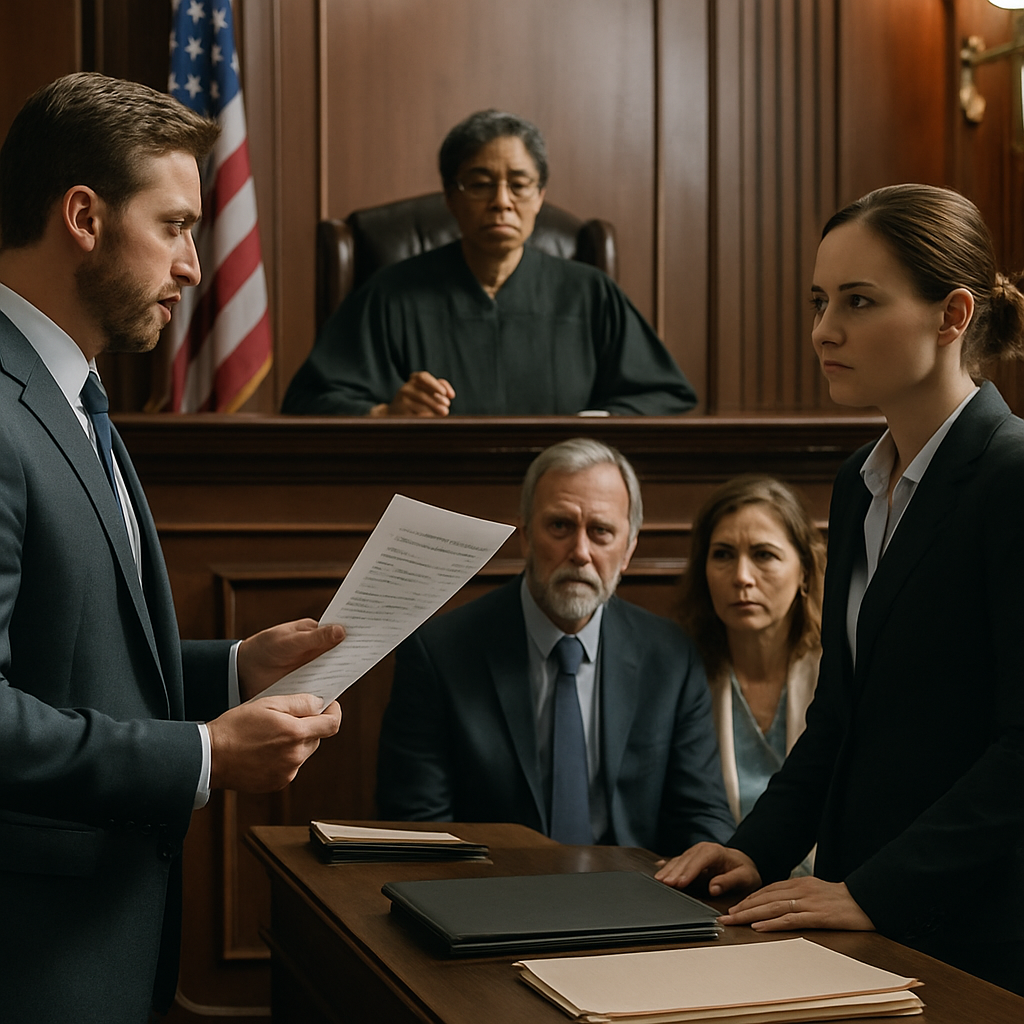
Probate disputes can feel like a family game night gone wrong, everyone has their own agenda, and no one is playing by the same rules. Understanding the different types of disputes can help you navigate this tricky landscape with confidence. Here’s a rundown of the most common types of probate disputes:
Will Contests
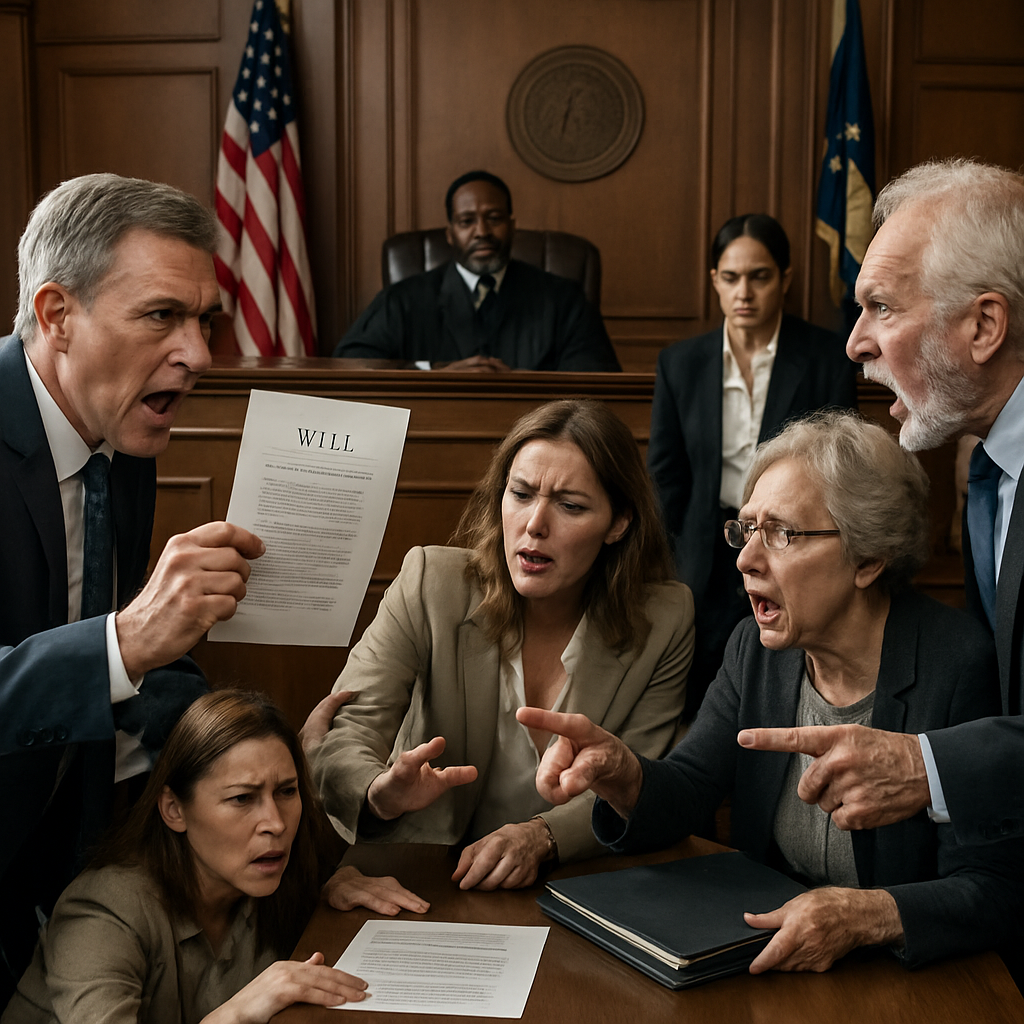
Will contests are like the ultimate showdown in the courtroom. This occurs when someone challenges the validity of a will, claiming it was made under duress, lacks proper execution, or even that the deceased lacked mental capacity at the time. If you find yourself in this situation, hiring a probate litigation attorney is crucial.
Executor Disputes
Executor disputes arise when disagreements occur over an executor’s actions or decisions. Maybe they’re not distributing assets fairly, or perhaps they’re dragging their feet on settling debts; whatever the case, these disputes can lead to prolonged probate court proceedings. A skilled executor disputes attorney can help clarify responsibilities and ensure that the executor’s duties are being met.
Trust Contests
If there’s a trust involved in the estate, it can open up a whole new can of worms. Trust contests happen when beneficiaries dispute terms or claim that a trust was created under questionable circumstances. Engaging with a knowledgeable trust litigation attorney is essential to navigate these often complex legal waters.
Inheritance Disputes
Inheritance disputes are like family feuds but with legal ramifications. These conflicts often arise when heirs believe they’ve been unfairly excluded from an inheritance or when there’s ambiguity about asset distribution. An experienced inheritance attorney can help mediate these conflicts and protect beneficiary rights.
Fiduciary Duty Breaches
A fiduciary duty breach occurs when someone who is entrusted to manage another’s assets fails to act in their best interest think of it as having your financial advisor suddenly decide to invest your money in pet rocks! If you suspect foul play, consulting with a fiduciary litigation attorney is vital for seeking justice.
Key Takeaway: Understanding these types of probate disputes helps you prepare for potential challenges during the probate process. Engaging with a qualified probate litigation attorney early on can prevent misunderstandings and costly legal battles down the road.
The world of probate law is complex, but knowing what type of dispute you’re facing allows you to seek out the right legal representation tailored to your needs because nobody wants their family drama turned into courtroom theatrics!
The Role of a Probate Litigation Attorney
When the dust settles on a loved one’s passing, the last thing you want is a family feud over their estate. Enter the probate litigation attorney, your legal superhero in the world of probate disputes. These professionals are not just lawyers; they are your guides through the often murky waters of probate court.
Duties and Responsibilities
A probate litigation attorney wears many hats, and their primary duties include:
- Advising clients: They help clients understand their rights and options regarding the estate.
- Filing lawsuits: When disputes arise, these attorneys file necessary legal documents to initiate litigation.
- Representing clients in court: Whether it’s a will contest or an executor dispute, they stand by your side during hearings.
- Navigating complex laws: Probate law can be as tangled as a bowl of spaghetti, but these attorneys know how to unravel it.
- Mediation and negotiation: They often strive for amicable resolutions to avoid lengthy court battles.
How They Differ from Estate Planning Attorneys
You might be wondering, “Aren’t all lawyers created equal?” Well, not quite! While estate planning attorneys focus on drafting wills and trusts to prevent disputes before they start, a probate litigation attorney steps in when things go south. Think of them as the fire department for legal issues, called in only when there’s smoke!
The Importance of Legal Representation in Probate Court Proceedings
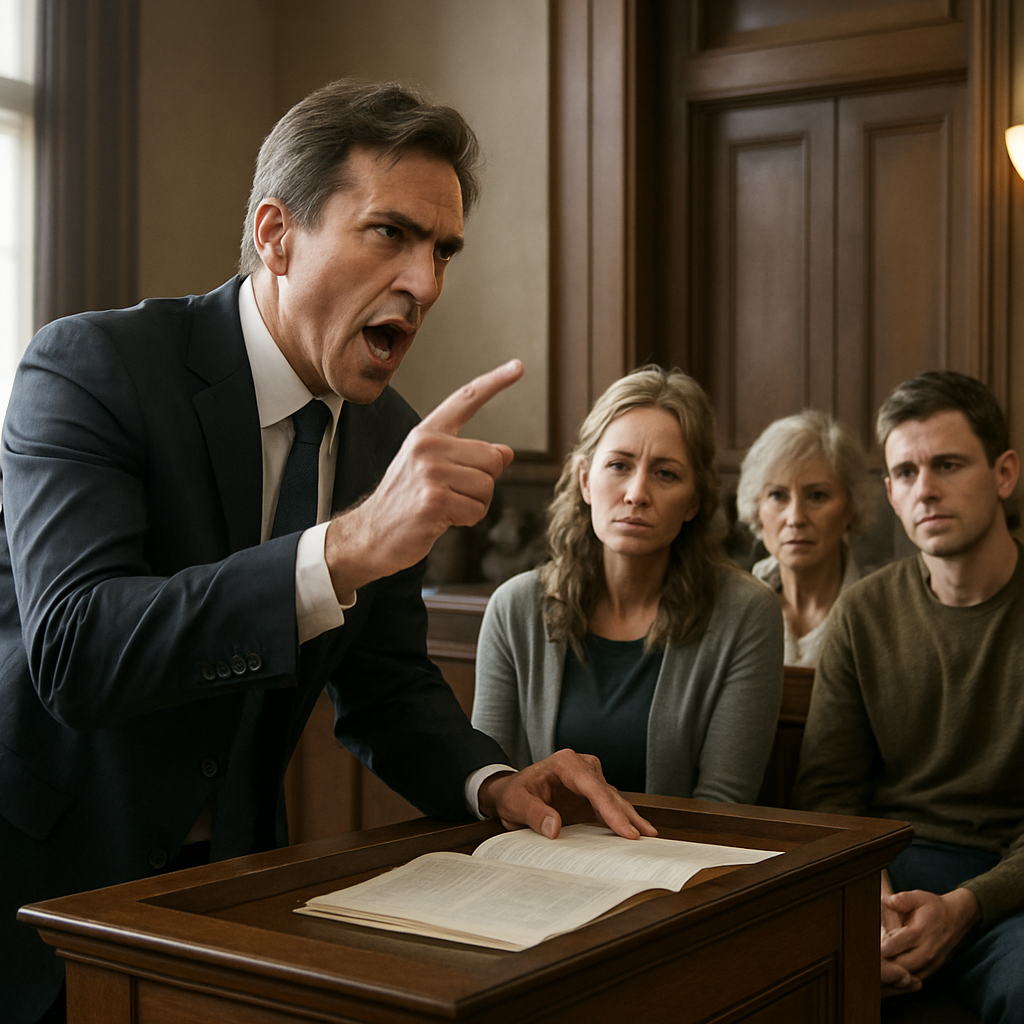
If you find yourself embroiled in probate court proceedings, having a skilled probate litigation attorney is crucial. Not only do they understand the ins and outs of probate law, but they also know how to present your case effectively. This expertise can make all the difference between winning your inheritance or walking away empty-handed.
Key Takeaway: A probate litigation attorney is essential for navigating conflicts that arise during the probate process. Their specialized knowledge ensures that your rights are protected and that you have the best chance of achieving a favorable outcome.
When to Hire a Probate Litigation Attorney
So, you’ve found yourself in the tangled web of probate disputes. Maybe Aunt Mildred’s will is as clear as mud, or perhaps your sibling thinks they deserve a bigger slice of the inheritance pie. Whatever the case, knowing when to call in the big guns, a probate litigation attorney can make all the difference.
Signs You Need Legal Assistance
Here are some telltale signs that it’s time to get a probate litigation attorney on your side:
- Your loved one’s wishes are being challenged: If someone is contesting the will or trust, you need a skilled will contest attorney to help defend it.
- You’re facing executor disputes: If you’re an executor and beneficiaries are questioning your decisions, having an executor disputes attorney can help clarify your responsibilities.
- The estate is complex: Complex estates often involve intricate legal issues. An estate litigation attorney can navigate these waters for you.
- You suspect foul play: If you believe someone is trying to manipulate the situation or breach their fiduciary duty, it’s time to bring in a fiduciary litigation attorney.
- You feel overwhelmed: If dealing with probate court proceedings feels like trying to solve a Rubik’s cube blindfolded, don’t hesitate to seek help!
The Impact of Hiring an Attorney
The difference between going solo and having a probate litigation attorney by your side can be monumental. Here’s why:
A study found that individuals who hired legal representation for their probate cases were significantly more likely to achieve favorable outcomes compared to those who navigated the process alone.
A qualified probate lawyer not only understands the intricate laws surrounding wills and trusts but also has experience in handling negotiations and court appearances. They can advocate for your rights effectively, ensuring that your interests are protected throughout the entire process.
If you’re unsure about whether you need legal representation, consider scheduling a consultation with a probate law firm. They can provide insights explicitly tailored to your situation and help you evaluate your options moving forward.
A Quick Recap
- If you’re involved in any contested estate matters, hiring an estate dispute lawyer could save you time and stress.
- A reasonable inheritance attorney will not only understand the law but also navigate family dynamics because let’s face it, family drama can be just as complicated as legal battles!
- Your peace of mind is worth it; getting professional help can ease anxiety during what is often an emotionally charged process.
Choosing the Right Attorney for Your Case
When it comes to navigating the murky waters of probate disputes, having the right probate litigation attorney by your side can make all the difference. But how do you choose the one that’s perfect for your unique situation? Think of it like dating: you want someone who understands you, has experience, and can handle family drama without losing their cool.
Factors to Consider When Selecting a Probate Litigation Attorney
- Experience in Probate Law: Look for a lawyer who specializes in probate litigation. This isn’t just a side gig; it’s their bread and butter. A seasoned attorney will know the ins and outs of probate court like the back of their hand.
- Track Record: Don’t be shy about asking for examples of past cases they’ve handled. A good attorney will have stories that demonstrate their success, just like a chef who can whip up a mean soufflé will have rave reviews!
- Communication Style: You want an attorney who communicates clearly and promptly. If they’re hard to reach or speak in legalese that sounds like it’s straight out of a Shakespearean play, keep looking!
The Importance of Experience in Probate Law and Estate Litigation
An experienced probate litigation attorney not only knows how to navigate complex legal jargon but also understands the emotional nuances involved in estate disputes. They can foresee potential pitfalls and prepare strategies to avoid them like a chess master anticipating moves ahead of time.
Questions to Ask During the Initial Consultation
Your first meeting with a prospective attorney is crucial. Here are some questions that can help you gauge if they’re the right fit:
- What is your experience with cases similar to mine?
- How do you charge for your services?
- What is your approach to resolving disputes?
- Can you provide references from previous clients?
Takeaway: Choosing the right probate litigation attorney is about finding someone who combines expertise with empathy. Don’t hesitate to ask questions, your future peace of mind depends on it!
The Probate Process and Legal Representation
Understanding the probate process is like navigating a maze it can be tricky, and one wrong turn can lead to dead ends or, worse, legal disputes. In essence, probate is the court-supervised procedure of authenticating a deceased person’s will and ensuring their assets are distributed according to their wishes. But what does this process look like in your jurisdiction? Let’s break it down.
A Brief Overview of the Probate Process
The probate process generally involves several key steps:
- Filing the Will: The executor submits the will to probate court.
- Notifying Beneficiaries: All interested parties must be informed about the proceedings.
- Inventorying Assets: A detailed list of the deceased’s assets is compiled.
- Paying Debts and Taxes: Outstanding debts and taxes must be settled before distribution.
- Distributing Assets: Finally, the remaining assets are distributed according to the will or state law if there is no will.
The Role of Attorneys Throughout the Probate Process
This is where a skilled probate litigation attorney comes into play. Their expertise can be invaluable at every stage of this process:
- Mediation Stage: If disputes arise among beneficiaries or other interested parties, an estate dispute lawyer can facilitate mediation to resolve conflicts amicably.
- Litigation Stage: When mediation fails, you may need a will contest attorney or trust litigation attorney who specializes in navigating complex probate court proceedings.
- Legal Guidance: From understanding executor responsibilities to ensuring compliance with fiduciary duties, having legal representation helps avoid costly mistakes that could derail the estate settlement process.
Key Takeaway: Engaging a knowledgeable probate lawyer early in the process can save time, money, and emotional stress as they navigate through potential pitfalls and ensure proper adherence to legal protocols.
If you’re facing executor disputes or inheritance conflicts, don’t go it alone. A dedicated probate court lawyer can make all the difference in achieving a favorable outcome. Remember, when it comes to handling estates, having an experienced attorney by your side is not just beneficial; it’s essential!